
Direct Radiography (DR)
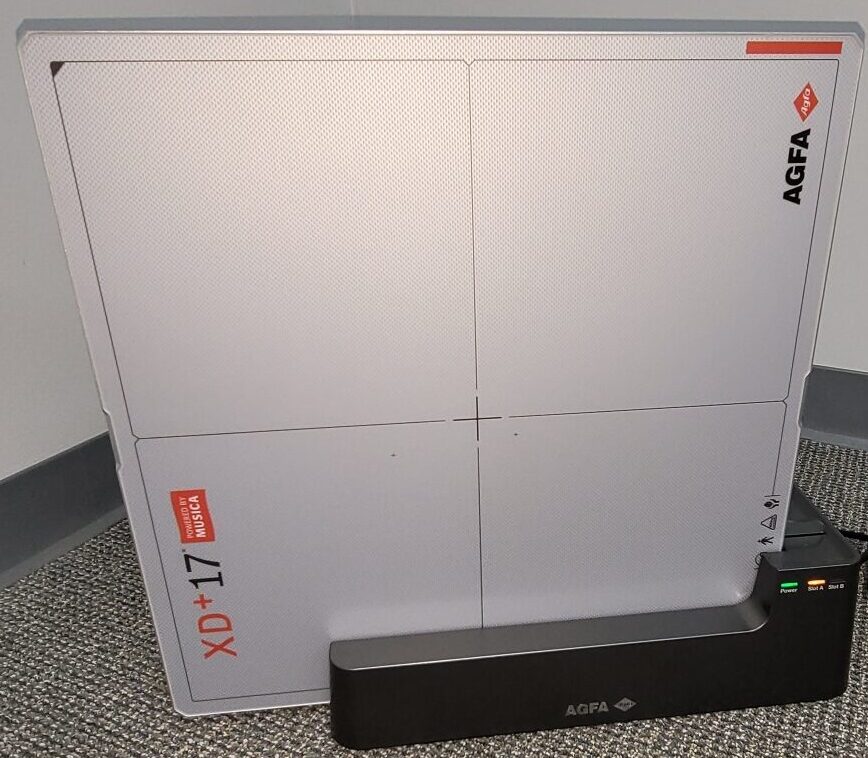
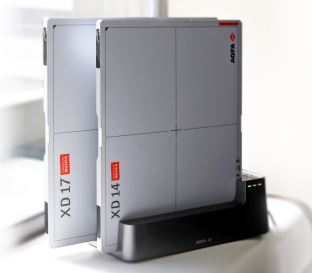
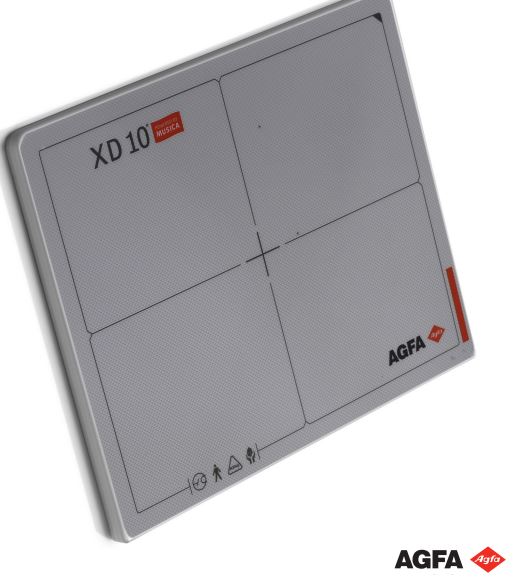
Agfa Healthcare The diagnosis is in the details!
XD 17 Brochure
XD 14 Brochure
XD 10 Brochure
Vieworks VIVIX-S Series
VIVIX-S 1717N Brochure
VIVIX-S Portable, Wired Brochure
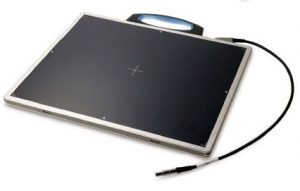
VIVIX-S 1012N Brochure
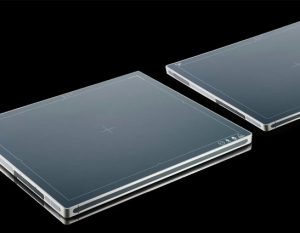
VIVIX-S Portable, Wireless Brochure
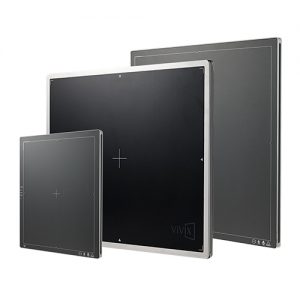
Rayence USA
Xmaru 17x17 Brochure
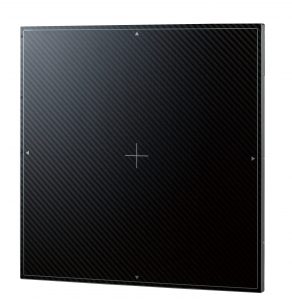
Xmaru 14x17 Brochure
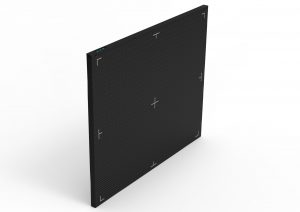
Xmaru 10x12 Brochure
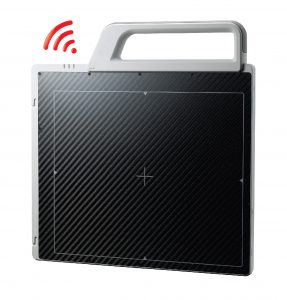
New C-Series Wireless Detector Family
Fuji Value from Innovation
Canon U.S.A Digital Detectors
Digital Radiography Infrastructure
Digital radiography upgrades cannot be treated as a loose detector purchase when clinical departments depend on image fidelity, room uptime, physicist review, PACS routing, and repeatable acquisition behavior across mixed procedural demand.
Room history changes every specification.
Across hospitals, radiology departments, GI imaging rooms, and ERCP-adjacent procedure environments, detector selection must account for generator compatibility, cassette sizing, wireless stability, exposure workflow, technologist handling, and service access after installation.
Detector Portfolio
Radiologic Resources supports digital retrofit planning for facilities that need DR capability without discarding usable X-ray assets, with detector options from Agfa Healthcare, Vieworks, Rayence, Fuji, and Canon U.S.A. aligned against room condition, clinical volume, budget limits, and interface requirements.
For departments reviewing vieworks digital radiography equipment, the VIVIX-S family gives facilities a structured path across 17×17, 10×12, portable wired, and portable wireless detector formats where room type, positioning burden, and exam mix determine practical fit.
Rayence Xmaru detectors, including 17×17, 14×17, 10×12, and C-Series wireless formats, remain relevant where facilities need multiple panel dimensions, mobile usage, or retrofit flexibility across varied radiographic rooms.
Execution Controls
Where procedural imaging demand places pressure on uptime, selection cannot stop at catalog review, because acquisition software, panel calibration, wireless behavior, image transfer, and user training all affect whether the installed system performs under routine clinical load.
Accountability standards for each DR retrofit review should be documented before procurement, not reconstructed after installation, especially where hospitals and specialty centers require auditable execution parameters for purchasing, biomedical review, and internal compliance records.
• Detector format matched to clinical room use, including 17×17, 14×17, 10×12, wired, wireless, portable, and fixed-room requirements
• Generator and interface review completed before final detector recommendation
• PACS connectivity pathway confirmed before operational handoff
• Image acquisition workflow checked with user-side handling conditions
• Installation readiness reviewed against room constraints, cable routing, charging access, and detector storage
• Staff orientation completed before routine clinical use
• Service pathway defined for support, warranty handling, and post-installation issue tracking
Service Framework
Within retrofit projects, Radiologic Resources should position product supply and service discipline as one controlled obligation, not separate conversations that leave facilities managing detector performance without practical support.
GI centers and ERCP specialists may evaluate imaging assets through a different risk lens than general radiography departments, since procedure flow, patient positioning, fluoroscopy-adjacent workflows, and physician preference can alter equipment expectations even when the detector belongs to a DR category.
Clinical context governs recommendation.
Support Depth
Preventative maintenance, equipment repair, room planning, installation support, imaging consultation, and application training give the page a stronger commercial foundation than brochure links alone, because buyers need proof that detector selection sits inside an accountable service structure.
Every product family listed on the page should remain visible, but the surrounding copy must explain why each detector class exists, when it applies, and how Radiologic Resources validates fit before a facility commits capital.