
PACS
Paxera Health Innovation Towards Better Healthcare
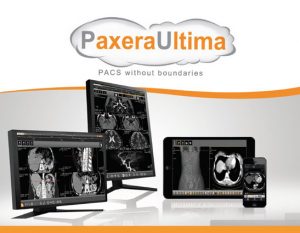
Paxera Ultima Brochure
Mobility View studies anywhere, anytime
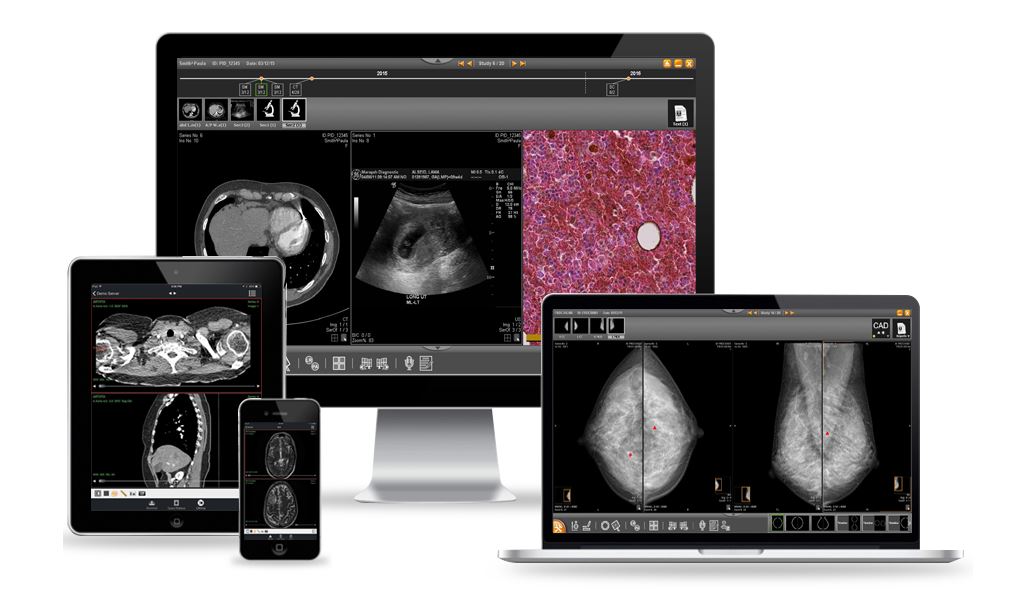
iPAXERA Video iPad/iPhone PACS Viewer
Radiologic Resources Cloud PACS Solution
Vieworks QX Link Mini-PACS
PACS Asset Scope
Across hospitals, GI and endoscopy centers, radiology departments, and ERCP programs, image access is not a convenience layer. It is a controlled clinical asset tied to study review, procedure planning, physician coordination, archive discipline, and post case accountability.
Radiologic Resources positions each PACS system around the clinical room, the modality pathway, the user group, and the risk tolerance of the facility rather than treating image management as a detached software purchase. Fluoroscopy based environments require more than viewing access.
PACS Collection
Paxera Health platforms, mobile viewer access, Radiologic Resources CLOUD PACS deployment, and Vieworks QX Link Mini PACS each serve a different operational profile within the broader imaging estate. No single configuration should be assumed suitable before workflow exposure is reviewed.
For radiology departments managing diagnostic throughput, PACS architecture must account for current studies, prior comparisons, role based access, physician worklists, remote review, and archive retention without forcing unnecessary friction into routine case movement. GI and ERCP teams face a narrower pressure point.
Where advanced endoscopy rooms depend on fluoroscopy imaging, PACS access must reflect the speed of case review, the need for image availability after procedure completion, and the expectation that referring or attending physicians can reach studies without unreliable manual transfer. Mobile access becomes a governance matter.
Deployment Criteria
We execute direct verification before recommending local PACS, mini PACS, mobile access, or CLOUD PACS architecture, because unverified assumptions can create storage waste, access gaps, workflow delay, or contract exposure after installation.
- Modality review aligned with radiographic, fluoroscopic, endoscopy, and specialty imaging inputs
- User access mapping across physicians, technologists, administrators, and remote reviewers
- Archive capacity review based on study volume, retention expectation, and growth pressure
- DICOM compatibility review before any PACS system recommendation is treated as valid
- Mobile viewer review for iPad, iPhone, and remote physician access requirements
- Installation scope review tied to facility network limits, hardware position, and clinical schedule
- Post-installation verification within documented acceptance parameters before handoff
Clinical Continuity
Within high volume imaging settings, PACS failure is rarely a single visible incident. It appears as delayed study retrieval, incomplete prior comparison, repeated staff intervention, uncertain archive control, or physician workarounds that become normal only because no one measures them.
Radiologic Resources treats PACS selection as part of imaging continuity, not as a disconnected technology add on. A facility considering Paxera Ultima, mobile PACS access, CLOUD PACS storage, or Vieworks QX Link Mini PACS receives evaluation against procedure mix, reading behavior, storage burden, and user accountability.
Procurement Standard
For hospitals and specialty imaging groups, the correct PACS direction depends on verified use conditions, not brochure preference. Radiologic Resources aligns product selection, deployment scope, and clinical access expectations so each imaging environment receives a PACS structure that can be defended operationally, technically, and contractually.