
Portables
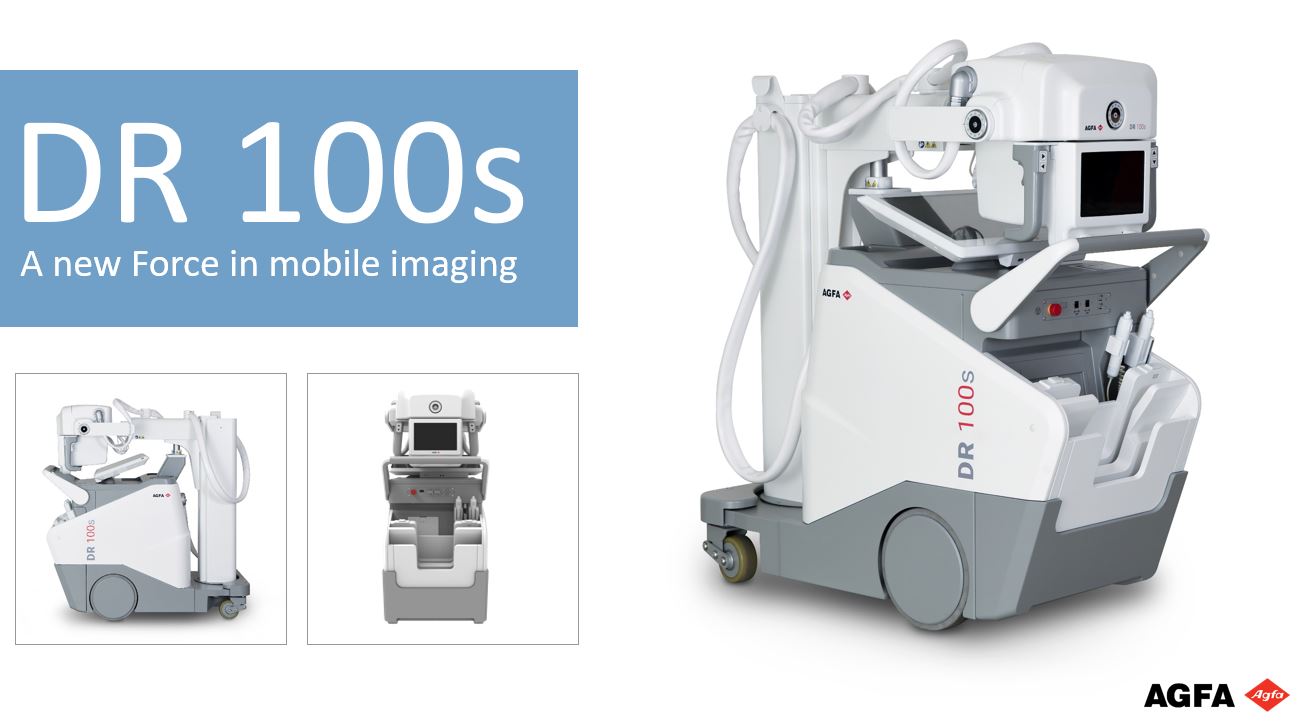
Agfa Healthcare DX-D 100 Brochure
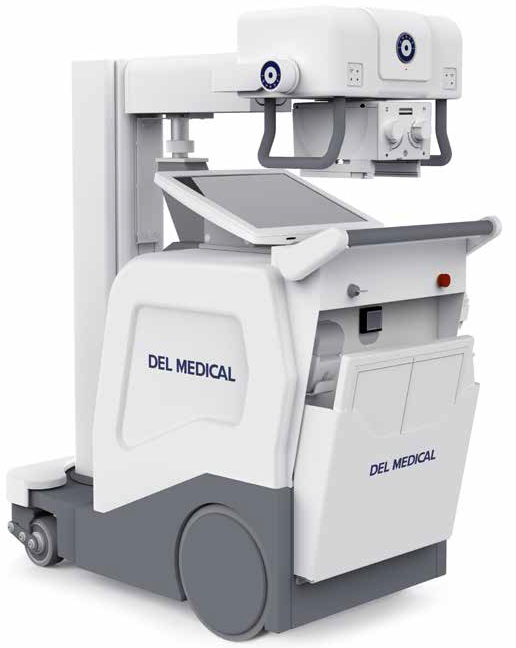
Del Medical MDR Mobile Brochure
Portable Imaging Assets
Hospitals, radiology departments, emergency units, orthopedic programs, and procedure centers cannot treat mobile radiography as a brochure purchase when bedside imaging, infection control, detector handling, battery performance, and PACS communication all affect clinical throughput.
Portable imaging at Radiologic Resources covers mobile DR platforms built for controlled movement through patient floors, ICU corridors, emergency rooms, and radiographic departments where fixed-room imaging is not always clinically practical. For teams evaluating a portable chest x ray machine, the decision must account for generator output, detector compatibility, workstation behavior, service access, and site-specific workflow limits.
Portable Equipment Range
Agfa Healthcare and Del Medical portable systems give facilities access to mobile imaging options suited for bedside chest exams, trauma support, post-operative checks, orthopedic views, inpatient imaging, and department overflow. Each asset category must be reviewed against actual usage volume rather than assumed room availability.
Portable DR equipment may include mobile X-ray units, wireless detector packages, onboard workstations, image processing platforms, battery-powered movement, collapsible column designs, and communication pathways for hospital imaging networks. Radiologic Resources helps facilities compare available equipment around practical fit, not surface-level model names.
Clinical Use Parameters
Within acute-care environments, portable radiography must perform under staff movement, patient isolation, limited room clearance, elevator travel, detector cleaning requirements, and repeat-exam pressure. A portable chest x ray machine used across ICU or emergency workflows must be evaluated differently from equipment assigned to a lower-volume imaging department.
Relevant review points include:
- Generator capacity aligned with projected bedside, chest, orthopedic, and inpatient exam demand
- Detector format matched to adult, pediatric, trauma, and mobile positioning requirements
- Battery endurance reviewed against shift patterns, charging access, and corridor travel distance
- Workstation behavior checked for acquisition speed, image review, and operator handoff
- PACS or network communication assessed before procurement discussions move forward
- Service access, parts availability, and documentation reviewed before final placement
- Site clearance verified against elevators, doorways, storage areas, and patient-room constraints
Workflow Accountability
Where mobile imaging supports ER, ICU, surgical recovery, or GI-adjacent procedural environments, procurement cannot rely on brochure specifications alone. Radiologic Resources reviews portable assets through clinical use, installation feasibility, equipment condition, service exposure, and integration expectations before a system is positioned for facility consideration.
Portable radiography also affects staff burden. Poor maneuverability, weak detector planning, unclear workstation behavior, or unsupported network assumptions can create delays that appear minor during purchase review but become visible during daily patient care.
Asset Procurement Control
Radiologic Resources works with medical facilities seeking portable imaging equipment that can operate inside real hospital conditions rather than idealized product literature. Available portable systems may support bedside exams, department expansion, emergency imaging access, and mobile DR conversion planning, depending on inventory status and facility requirements.
For hospitals and imaging teams comparing portable X-ray equipment, Radiologic Resources provides practical review across brand availability, system configuration, detector options, documentation, and service coordination. The goal is not to push a single portable unit. It is to match mobile radiography assets to measurable clinical demand, space limits, and long-term operational risk.